Ear Drainage in Adults: Causes, Symptoms, and Treatment
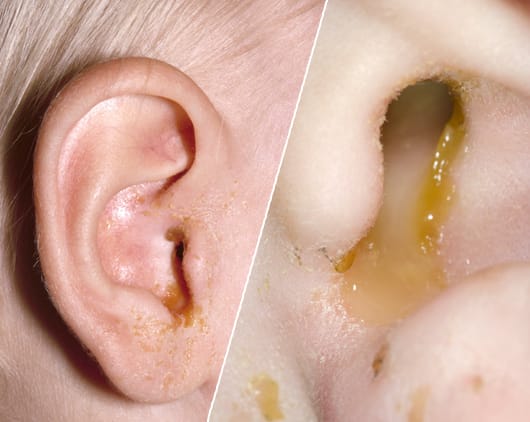
Noticing fluid coming from your ear can be unsettling when it appears unexpectedly. Ear discharge, medically known as otorrhea, may be watery, cloudy, yellow, bloody, thick, or unpleasant-smelling. Sometimes it follows a recent infection or a day in the swimming pool. In other cases, it may point to an injured eardrum or a condition requiring specialist care.
The appearance of the fluid can offer clues, but it cannot confirm the cause by itself. Pain, itching, hearing changes, fever, dizziness, recent trauma, and the length of time the discharge has been present all matter.
Because discharge can originate in the ear canal, behind the eardrum, or, rarely, from deeper structures, persistent or unexplained drainage deserves assessment.
This guide explains common causes of ear discharge in adults, warning signs to watch for, how doctors investigate it, and what you should avoid doing at home.
What Is Ear Discharge?
Ear discharge means any liquid draining from the ear canal. It may consist of earwax, water, pus, blood, or clear fluid. A small amount of soft earwax is normal and helps protect the canal. New, continuous, painful, or foul-smelling drainage, however, is not something to dismiss.
Some episodes are short-lived. Water may escape after bathing, or minor irritation may produce a trace of blood. Other cases develop because infection has inflamed the ear canal or created pressure behind the eardrum. The underlying cause determines whether treatment involves cleaning, medicated drops, oral medicine, observation, or an ear, nose, and throat referral.
Common Causes of Ear Discharge in Adults
Several conditions can produce similar-looking drainage. Common causes include outer ear infection, middle ear infection with a perforated eardrum, and chronic middle ear disease.
Outer Ear Infection
Otitis externa develops when the skin covering the external ear canal becomes inflamed, frequently due to bacterial or fungal infection. Swimming is commonly associated with the condition, as prolonged exposure to moisture can disrupt the ear canal’s protective environment. However, swimming is far from the only contributing factor.
Everyday habits such as inserting cotton buds into the ears, scratching the canal, or wearing certain earbuds and hearing aids may damage or irritate its delicate lining. Existing skin conditions can also make the area more susceptible to inflammation and infection.
Someone experiencing otitis externa may notice persistent itching, tenderness, visible redness, swelling, or discomfort when moving or touching the outer ear. Other possible signs include a sensation of blockage, temporary hearing difficulties, and fluid or pus draining from the canal.
Management generally focuses on reducing inflammation and treating the underlying cause. Depending on the findings during examination, a doctor may prescribe suitable medicated ear drops.
If discharge, swelling, or debris obstructs the canal, careful cleaning by a healthcare professional may help the medication reach the affected area more effectively. The choice of drops also depends on whether the eardrum is intact.
Middle Ear Infection and a Ruptured Eardrum
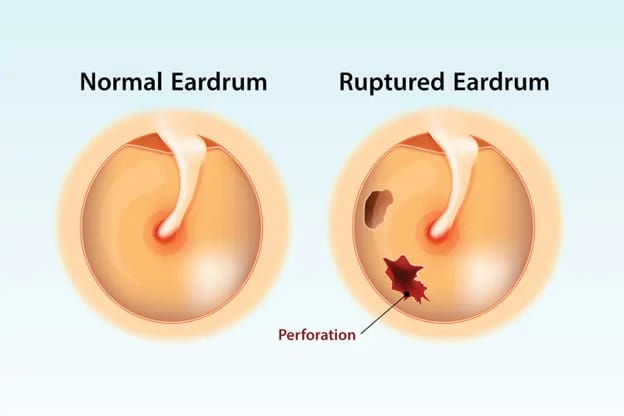
A middle ear infection can cause fluid and pressure to build behind the eardrum. If the pressure becomes strong enough, a small tear may form and infected fluid may drain into the ear canal. Pain sometimes decreases suddenly after the eardrum ruptures, but the discharge still requires prompt medical attention.
Drainage may be yellow, cloudy, blood-streaked, or foul-smelling. Other symptoms can include fever, reduced hearing, pressure, and a recent cold or respiratory infection. Many small perforations heal, yet the ear must be protected from water and monitored to ensure the opening closes.
Perforated Eardrum From Injury or Pressure
An eardrum can tear without infection. Cotton buds, hairpins, sudden pressure changes, loud explosions, head trauma, or a forceful blow to the ear may cause damage. Discharge may be clear or bloody, and the person may notice sudden pain, hearing loss, ringing, or dizziness.
Do not put drops into an injured ear unless a healthcare professional confirms they are safe. Certain products can harm the middle or inner ear when the eardrum is open.
Chronic Suppurative Otitis Media
Some middle ear infections do not clear up completely and may develop into a long-lasting condition called chronic suppurative otitis media. One of its defining features is a hole in the eardrum that fails to heal, allowing fluid or infected material to escape through the ear canal. The discharge may continue for some time or disappear temporarily before returning.
What makes this condition particularly concerning is that it can progress without causing severe ear pain. A person might notice occasional wetness inside the ear, repeated episodes of discharge, or hearing that becomes less clear over time.
Exposure to water, particularly during bathing or swimming, may trigger further drainage. A cold or another infection affecting the nose and throat can sometimes aggravate the problem as well.
When an ear continues to discharge fluid, identifying the underlying cause is more important than simply trying different remedies for temporary relief. An ENT specialist may examine and carefully clean the affected ear, prescribe medication that is safe for use with a perforated eardrum, and recommend hearing tests to assess any changes in hearing function.
For patients with persistent disease or an eardrum that does not heal, surgical treatment may be considered to address the underlying problem and reduce the likelihood of further complications.
Cholesteatoma
A cholesteatoma occurs when skin cells collect in an abnormal location within the middle ear, often in a pocket formed behind the eardrum. Although this growth is non-cancerous, it can progressively expand and erode the small bones and surrounding structures involved in hearing.
One possible indication is discharge that continues to come from the same ear, especially when it has an unpleasant smell. Some patients also develop worsening hearing, repeated episodes of ear infection, or a persistent sensation of pressure. Less commonly, symptoms such as ringing in the ear, discomfort, or dizziness may become apparent.
Because a cholesteatoma can continue damaging nearby structures if left untreated, early evaluation by an ENT specialist is important. It generally cannot be eliminated through medication alone. Surgical removal is commonly required to control the disease and help prevent further complications.
Ear Canal Injury and Irritation
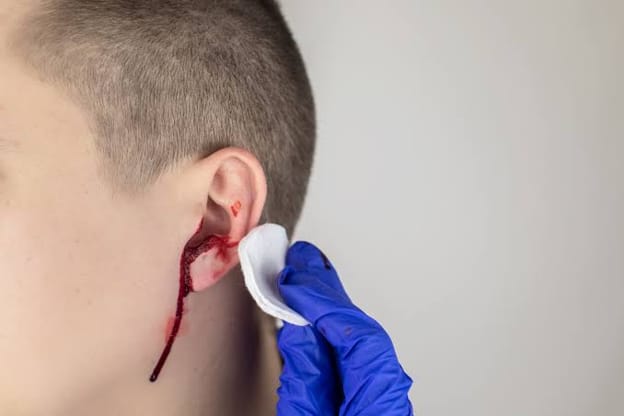
Minor trauma can cause a small amount of blood or clear fluid. Common triggers include scratching the canal, aggressive ear cleaning, inserting objects, or using poorly fitting earbuds or hearing devices.
Even a tiny scratch can become infected because the canal is warm and narrow. Increasing pain, swelling, pus, or continued bleeding suggests that medical care is needed. Avoid probing the ear to inspect the injury, as this may push debris inward and worsen the damage.
Skin Conditions Affecting the Ear
Eczema, psoriasis, and contact dermatitis can affect the outer ear and canal. The skin may become dry, flaky, itchy, cracked, or moist. Scratching can then produce weeping fluid and create an opening for infection.
Hair products, earrings, earphones, hearing aids, or topical products may trigger contact irritation in some people. Treatment depends on whether inflammation, allergy, or infection is present, so an examination is useful when symptoms persist.
Could Clear Ear Fluid Be Serious?
Clear drainage may simply be water, thin inflammatory fluid, or liquid from irritated skin. Rarely, continuous clear fluid after a significant head injury can represent cerebrospinal fluid leaking from around the brain.
Seek emergency care if clear, watery drainage begins after head trauma, particularly when accompanied by severe headache, vomiting, confusion, bruising around the eyes or behind the ear, weakness, or loss of consciousness. Do not block the ear or try to stop the flow yourself.
What Does the Colour or Smell Mean?
The colour, consistency, and smell of fluid draining from an ear can provide useful information during a clinical assessment. However, these characteristics are not sufficient to establish a diagnosis on their own, since several ear conditions may produce similar-looking discharge.
Yellowish or greenish fluid with a thick consistency may be associated with an infectious process. Drainage accompanied by a persistent unpleasant odour can sometimes point towards a longstanding middle ear problem, including chronic infection or cholesteatoma.
Blood-tinged discharge may appear after an injury, vigorous scratching, irritation of the ear canal, or damage to the eardrum. Thin, transparent fluid has several possible explanations, ranging from trapped water to fluid released by irritated skin.
In rare situations, particularly following a significant head injury, clear drainage may indicate a cerebrospinal fluid leak that requires urgent medical assessment.
Ultimately, the appearance of ear discharge should be considered alongside other symptoms and the findings from a physical examination. Persistent, recurring, bloody, or unexplained drainage warrants medical assessment to establish its cause and determine appropriate treatment.
Colour alone is not a reliable diagnosis. A painless discharge can still be important, particularly when it is persistent, affects only one ear, or accompanies hearing loss.
When Should You See a Doctor?
Seek prompt medical advice if discharge lasts longer than a day, keeps returning, smells unpleasant, or occurs with pain, fever, itching, swelling, or reduced hearing. You should also be assessed if you have diabetes, a weakened immune system, previous ear surgery, a known eardrum perforation, or a hearing device.
Seek urgent care for severe pain, rapidly increasing redness, swelling behind the ear, facial weakness, significant dizziness, sudden hearing loss, heavy bleeding, or discharge after trauma. Fever and swelling around the ear can indicate that infection is spreading.
How Is Ear Discharge Diagnosed?

A clinician will ask when the drainage began, what it looks and smells like, and whether you have pain, itching, hearing loss, fever, vertigo, recent swimming, injury, or respiratory illness. They will examine the canal and eardrum using an otoscope.
If debris blocks the view, careful suction or cleaning may be needed. A swab may be taken when infection is severe, recurrent, unusual, or not responding to treatment. Hearing tests can identify conductive or inner-ear hearing loss. Persistent symptoms, suspected cholesteatoma, trauma, or complications may require ENT assessment and imaging.
How Is Ear Discharge Treated?
Treatment must address the cause. Outer ear infections are commonly treated with medicated drops. Middle ear infection, chronic disease, fungal infection, dermatitis, and eardrum injury each require different management.
Keep the affected ear dry until a professional advises otherwise. When showering, avoid directing water into it. Do not swim while drainage continues. Take prescribed medicine for the full recommended period, even when symptoms begin to settle.
What Should You Avoid Doing at Home?
Do not insert cotton buds, tissues, fingers, or tools into the canal. Avoid flushing the ear and do not use leftover antibiotics or random over-the-counter drops. If the eardrum is perforated, an unsuitable product may cause irritation or more serious harm.
You may gently wipe fluid from the outer ear with clean gauze, but never pack the canal. Keep note of the discharge’s colour, smell, duration, and associated symptoms so you can describe them accurately.
Final Thoughts
Ear discharge in adults can range from harmless trapped water to infections, eardrum damage, chronic middle ear disease, or cholesteatoma. The cause cannot be judged safely from colour alone.
Brief moisture without pain may resolve, but persistent, foul-smelling, bloody, recurrent, or one-sided drainage should be examined. Seek urgent help when discharge follows head trauma or occurs with sudden hearing loss, severe dizziness, facial weakness, spreading swelling, or significant illness.
Timely diagnosis protects hearing, prevents complications, and ensures that the treatment placed in the ear is appropriate for the problem.
