Ear Infection in Adults: When an ENT Clinic Visit Is the Safer Move

Adult Ear Infection Warning Signs: When to See an ENT Specialist
Ear infections are often seen as a childhood problem, so when an adult develops ear pain or sudden blockage, it’s common to wait it out, self-treat, or assume it’s “just wax”. Sometimes that works—especially if symptoms are mild and short-lived.
But adult ear infections can also behave differently from childhood cases, and certain patterns come with a higher risk: persistent pain, ear discharge, hearing loss, dizziness, fever, or symptoms that keep returning.
An ENT clinic visit is often the safer move because the ear is not one simple space. It has multiple compartments (outer ear canal, eardrum, middle ear, inner ear), and the treatment depends entirely on where the problem is.
The wrong drops, the wrong antibiotics, or delayed evaluation can prolong infection and increase the chance of complications—particularly in adults with diabetes, immune suppression, chronic skin conditions, or a history of ear problems.
This article explains the main types of adult ear infections, the symptoms that matter, what you can do safely at home, and when an ENT assessment is the right next step.
Why Adult Ear Infections Deserve a Closer Look
In adults, ear symptoms are more likely to have “look-alike” causes, including:
- earwax impaction
- eczema or dermatitis in the ear canal
- jaw joint (TMJ) pain that feels like ear pain
- dental infections referring pain to the ear
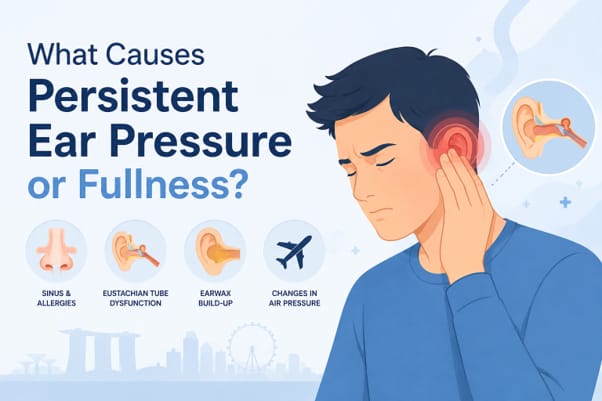
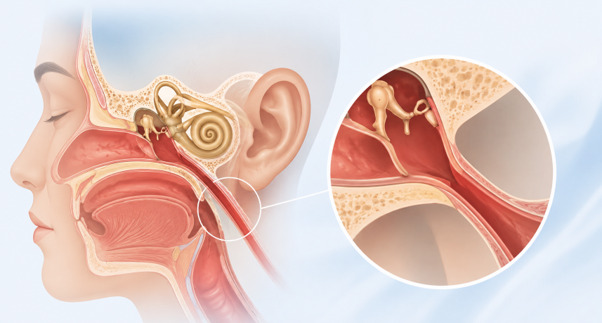
- sinus or throat infections affecting the Eustachian tube
- pressure changes from flying/diving
And when infection is truly present, adult cases can be linked to underlying factors such as chronic nasal allergy, smoking, reflux, or sinus disease—issues that may need targeted treatment to stop recurrences.
ENT doctors focus on accurate localisation (outer vs middle vs inner ear), eardrum status, and hearing impact—because this determines the safest treatment.
Types of Ear Infection in Adults (and How They Feel)
Otitis Externa (Outer ear infection/ swimmer’s ear)
It is an inflammation or infection of the skin lining the ear canal. It commonly develops after water exposure, frequent use of cotton buds, or irritation from scratching and sensitive skin conditions.
Typical symptoms:
- ear canal pain that worsens when you pull the ear or press the small cartilage (tragus)
- itchiness that becomes pain
- swollen canal, tenderness, and sometimes discharge
- Reduced hearing from swelling/debris
This condition often needs proper ear canal cleaning and the correct medicated drops.
Middle ear infection (Acute otitis media)
This is an infection behind the eardrum, often after a cold. Adults may experience:
- deeper ear pain or pressure
- fever (sometimes)
- muffled hearing
- feeling of fullness
- popping or crackling
Sometimes fluid remains even after the infection resolves, leaving a lingering blockage.
Middle ear fluid without infection (Otitis media with effusion)
Not all “blocked ears” are an infection. Fluid can build up behind the eardrum due to Eustachian tube dysfunction, often from allergies, sinus problems, or recent viral illness.
Symptoms:
- blocked ear or muffled hearing
- popping sensation
- minimal pain (often)
- Symptoms may fluctuate
This is a key reason ENT assessment is valuable: antibiotics may not help if there’s no bacterial infection.
Inner ear involvement (less common, more serious)
Infections or inflammation affecting the inner ear can cause:
- significant dizziness/vertigo
- imbalance
- nausea
- hearing changes or tinnitus
These symptoms require prompt assessment because they can affect safety and, in some cases, hearing outcomes.
Common Adult Ear Infection Symptoms (and What They Suggest)

Ear pain
- Pain with touching/pulling the ear often suggests outer ear canal inflammation.
- Deep, throbbing pain with fever can suggest a middle ear infection.
- Sharp pain with swallowing or jaw movement may come from throat or jaw problems instead.
Hearing loss or muffled hearing
Hearing changes may come from:
- canal swelling (outer ear infection)
- fluid behind the eardrum (middle ear)
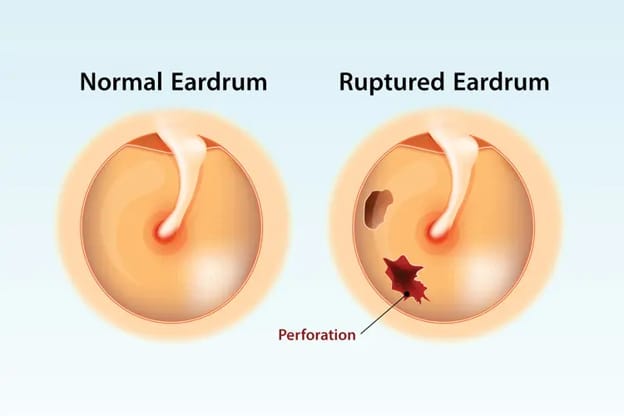
- eardrum perforation
- wax impaction
- inner ear involvement (more urgent)
Sudden hearing loss should be treated as urgent.
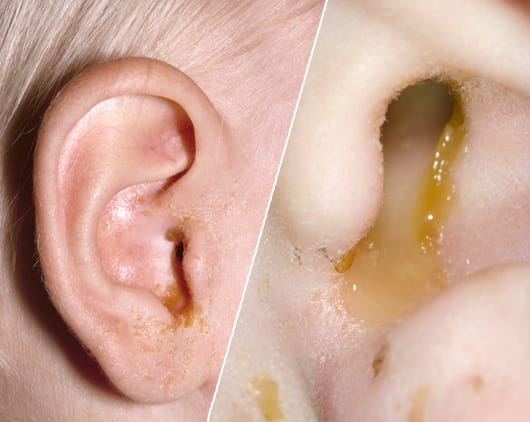
Ear discharge
Discharge can indicate:
- outer ear infection
- a perforated eardrum with a middle ear infection
- chronic eardrum issues
Not all drops are safe if the eardrum is perforated—one major reason to get checked before self-medicating.
Fever, fatigue, and feeling unwell
These push the concern higher, especially with severe pain or worsening symptoms.
Dizziness, vertigo, and imbalance
These are not typical for routine outer ear infection. If you have significant dizziness, nausea, or trouble walking straight, a prompt assessment is recommended.
When an ENT Clinic Visit Is the Safer Move

Consider an ENT assessment sooner rather than later if any of the following apply:
1) Severe pain, worsening pain, or pain lasting more than 48–72 hours
Pain that escalates or doesn’t improve deserves examination—especially if you’ve already tried basic home care.
2) Ear discharge (especially if it’s bloody, smelly, or persistent)
Discharge can mean the eardrum is involved. ENT evaluation ensures you receive safe treatment that won’t harm the inner ear.
3) Hearing loss, especially if sudden or one-sided
Muffled hearing can be benign, but sudden hearing loss needs urgent assessment. Even if you suspect wax, it’s safer to confirm.
4) Dizziness/vertigo, nausea, or imbalance
These symptoms can reflect inner ear involvement or other conditions that require targeted treatment.
5) Recurrent ear infections or symptoms that keep returning
Frequent episodes may be linked to:
- chronic nasal allergies
- sinus disease
- Eustachian tube dysfunction
- eczema/skin conditions
- habitual ear cleaning causing microtrauma
An ENT can identify the pattern and prevent repeat cycles.
6) You have diabetes, immune suppression, or a significant chronic illness
These conditions increase the risk. Even “mild” infections can become aggressive and require specialised management.
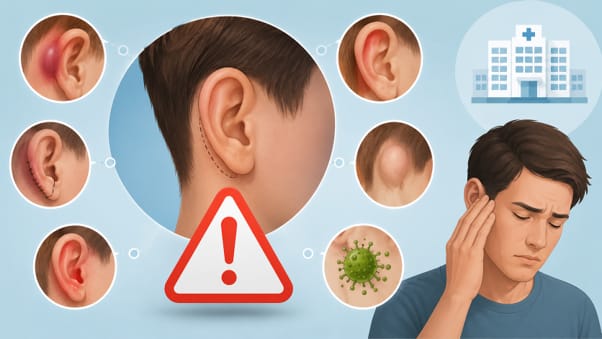
7) Swelling behind the ear, facial weakness, or severe headache
These are red flags and require urgent medical attention.
8) You’ve used drops or antibiotics, but symptoms persist
Persistent symptoms could mean:
- the wrong diagnosis
- resistant organisms
- fungal infection
- A blocked canal prevents drops from reaching the site.
- Ongoing middle ear fluid rather than infection
ENT assessment can correct the direction quickly.
Red Flags: Seek Urgent Care (Same Day)

Get urgent medical evaluation if you have:
- facial weakness (drooping, inability to close the eye fully)
- swelling, redness, or tenderness behind the ear
- severe headache, high fever, neck stiffness
- significant dizziness with vomiting or inability to walk steadily
- sudden hearing loss
- severe pain in a person with diabetes or immune suppression
These symptoms can indicate complications and should not be watched at home.
What You Can Do Safely at Home (While You Arrange Care)
If symptoms are mild and recent, supportive care may help:
- Pain relief: Use appropriate over-the-counter pain medication as directed on the label (unless medically contraindicated for you).
- Keep the ear dry: avoid swimming, and use caution when showering.
- Avoid cotton buds: they irritate the canal and push debris deeper.
- Don’t put random oils or herbal drops in the ear, especially if discharge is present or the eardrum might be perforated.
- Warm compress: Some people find gentle warmth soothing.
If you suspect wax, avoid digging it out—impacted wax plus inflammation is easily worsened by self-instrumentation.
What Happens at an ENT Clinic for Adult Ear Infection
1) Otoscopy (examining the ear canal and eardrum)
ENT doctors can distinguish:
- outer ear canal infection vs wax vs eczema
- middle ear infection vs fluid
- eardrum perforation
- signs of chronic disease
2) Microsuction or ear toileting (when needed)
For outer ear infections, removing debris can:
- reduce pain and pressure
- help drops reach the inflamed skin
- speed up recovery
3) Hearing assessment (when symptoms warrant)
If you have a significant hearing change, the clinic may recommend a hearing test to document the baseline and guide treatment.
4) Targeted treatment plan
Depending on diagnosis, treatment may include:
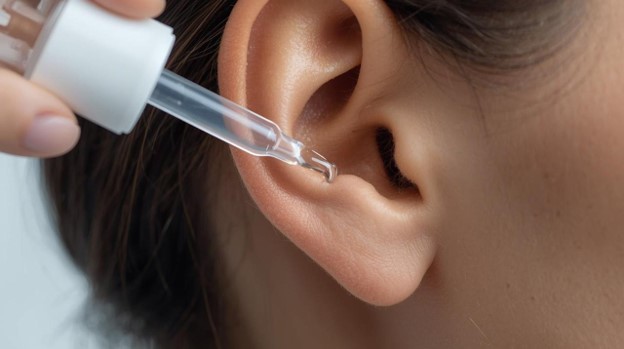
- Specific antibiotic or anti-inflammatory ear drops
- Antifungal drops (if fungal infection is present)
- Oral antibiotics in selected middle ear infections
- Treatment of nasal allergies/Eustachian tube dysfunction when contributing
- Follow-up to confirm resolution and protect hearing
Why “Random Drops” Can Be Risky
Not all ear drops are safe for all situations. If the eardrum is perforated, certain drops can potentially irritate inner ear structures. That’s why a correct diagnosis matters before using leftover medication or “someone else’s drops”.
Preventing Recurrence: ENT-Proven Habits That Help
Depending on your risk factors, prevention may include:
- Keeping ears dry if you’re prone to otitis externa
- Treating eczema or dermatitis in the ear canal
- Avoiding cotton buds and aggressive cleaning
- Managing chronic nasal allergies or sinus issues
- Addressing reflux and smoking, if they contribute to Eustachian tube dysfunction
- Using ear protection during swimming (when advised)
Prevention is individual—ENT care helps you target the real trigger.
The Takeaway: Don’t Ignore an Ear Infection in Adulthood
Ear pain, discharge, or changes in hearing should not be something you simply put up with. Although some adult ear infections are uncomplicated, persistent or recurring symptoms may point to an underlying problem that needs assessment.
If you experience severe pain, ear discharge, hearing loss or dizziness—or have diabetes—seek prompt medical attention. An ENT doctor in Singapore can assess the cause and recommend appropriate care.
An accurate diagnosis guides treatment and helps reduce the risk of complications, protecting both your hearing and balance.
Ear Infection in Adults: When an ENT Clinic Visit Is the Safer Move Read More »