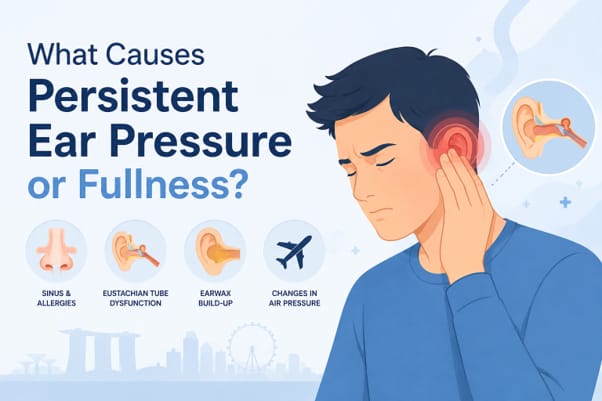
What Causes Persistent Ear Pressure or Fullness? – Introduction
Many people experience a temporary feeling of pressure in their ears during a cold, a flight, or while travelling up a hill. In most cases, the sensation settles on its own once the underlying cause improves. However, when ear pressure or fullness persists for days or weeks, it can become frustrating and may affect hearing, concentration, and daily comfort.
Persistent ear pressure is often described as a feeling that the ear is blocked, clogged, or filled with water. Some people notice muffled hearing, popping sounds, ringing in the ear, or mild discomfort. While the symptom itself is common, the causes can vary significantly.
Understanding what is causing the pressure is important because treatment depends on the underlying problem. In some cases, the issue may be related to the nose or sinuses rather than the ear itself. In others, it may be linked to hearing or balance conditions that require medical attention.
This article explains the common causes of persistent ear pressure or fullness, when it may be a sign of a more serious condition, and when it is advisable to seek assessment from an ENT specialist.
Understanding the Sensation of Ear Pressure
What Does Ear Fullness Feel Like?
Ear fullness can feel different from person to person. Some describe it as having cotton stuck in the ear, while others compare it to the sensation experienced during an aeroplane flight.
The feeling may affect one ear or both ears. It can come and go or remain constant throughout the day. Some individuals also notice that sounds seem quieter or less clear than usual.
Why Does Ear Pressure Occur?
The ears rely on balanced air pressure to function normally. When this balance is disrupted, a sensation of pressure or blockage can develop.
Problems involving the middle ear, inner ear, nose, sinuses, or surrounding structures can all contribute to this symptom. This is why identifying the underlying cause is often the first step towards effective treatment.
Eustachian Tube Dysfunction – The Most Common Cause
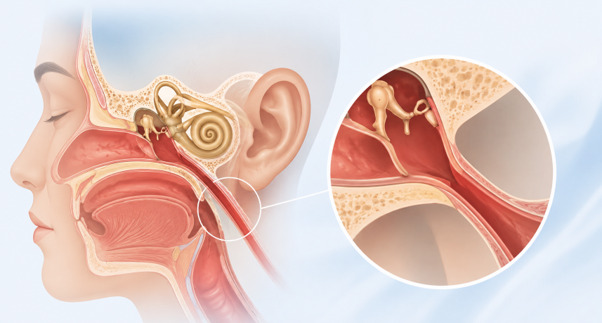
What Is the Eustachian Tube?
The Eustachian tube is a small passage that connects the middle ear to the back of the nose. Its main role is to allow air to move into and out of the middle ear so that pressure remains balanced.
It also helps drain fluid from the middle ear. When the tube is functioning normally, most people are unaware of its presence.
Why the Tube May Stop Working Properly
When the lining of the nose or throat becomes swollen, the Eustachian tube may not open properly. This can prevent pressure from equalising inside the ear.
Common triggers include colds, flu, allergies, sinus inflammation, and nasal congestion. Air pressure changes during flights or altitude changes can also contribute to the problem.
Common Symptoms
People with Eustachian tube dysfunction often experience a blocked sensation in the ear that does not seem to clear. Hearing may become muffled, and popping or clicking sounds can occur when swallowing or yawning.
Symptoms may be more noticeable during air travel or when moving between different elevations.
Ear Infections and Inflammation
Middle Ear Infections
An infection in the middle ear can lead to inflammation and fluid build-up behind the eardrum. This fluid creates pressure that may cause discomfort and hearing changes.
Although middle ear infections are often associated with children, adults can develop them as well.
Fluid Remaining After an Infection
Even after an infection improves, fluid may remain trapped behind the eardrum for some time. During this period, ear fullness and muffled hearing can continue.
Many people are surprised that the blocked sensation can persist even after pain and other symptoms have resolved.
Signs That Suggest Infection
Ear pain is often one of the most noticeable symptoms. Some individuals may also experience fever, reduced hearing, or fluid drainage from the ear.
If these symptoms occur alongside persistent ear pressure, medical assessment may be necessary.
Allergies and Sinus Problems
How Allergies Affect the Ears
Allergies do not only affect the nose. Swelling within the nasal passages can also affect the Eustachian tubes and interfere with normal pressure regulation.
As a result, some people experience recurring ear pressure during allergy seasons or when exposed to specific triggers.
Chronic Sinus Problems
Long-term sinus inflammation can contribute to persistent ear symptoms. When the nose and sinuses remain inflamed, the Eustachian tubes may not function efficiently.
This can create a feeling of fullness in the ears alongside nasal blockage and facial pressure.
Other Symptoms That Often Occur Together
People with allergy-related or sinus-related ear pressure often experience additional symptoms. These may include sneezing, a runny nose, postnasal drip, facial discomfort, or ongoing nasal congestion.
Recognising these associated symptoms can help identify the underlying cause.
Earwax Build-Up
When Earwax Becomes a Problem
Earwax plays an important role in protecting the ear canal. It helps trap dust, dirt, and other particles before they reach deeper parts of the ear.
However, excessive earwax can sometimes build up and create a blockage. When this happens, ear fullness may develop.
Symptoms of Earwax Impaction
A blocked ear caused by wax often feels similar to pressure from other causes. Hearing may become muffled, and some people notice ringing sounds in the affected ear.
Mild discomfort or a sensation of something being stuck inside the ear can also occur.
Why Self-Cleaning Can Make It Worse
Many people attempt to remove wax using cotton buds. Unfortunately, this often pushes wax deeper into the ear canal.
This can increase blockage and worsen symptoms rather than solve the problem.
Changes in Air Pressure
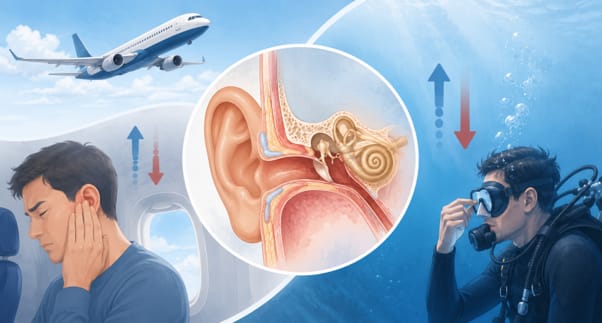
Flying and Air Travel
Many travellers notice ear pressure during take-off and landing. Rapid changes in cabin pressure require the Eustachian tubes to adjust quickly.
When the tubes do not open effectively, pressure can become trapped inside the middle ear.
Diving and Water Activities
Diving places even greater pressure demands on the ears. If pressure is not equalised properly, discomfort and ear fullness may develop.
In some cases, symptoms may continue after the activity has ended.
When Pressure Does Not Settle Normally
Most pressure-related symptoms improve within a short period. If they persist for days or weeks, an underlying issue such as Eustachian tube dysfunction may be present.
Persistent symptoms should not simply be dismissed as a normal consequence of travel.
Temporomandibular Joint (TMJ) Problems
How Jaw Problems Can Affect the Ear
The jaw joint is located close to the ear. Problems affecting this joint can sometimes create symptoms that feel as though they are coming from the ear itself.
As a result, some individuals experience ear fullness even when the ear is healthy.
Symptoms That May Point to TMJ Disorders
Jaw discomfort, clicking sounds, headaches, and teeth grinding are common signs of TMJ problems. Some people also notice pain when chewing.
When these symptoms occur alongside ear pressure, the jaw may be contributing to the problem.
Hearing Conditions That May Cause Ear Fullness
Ménière’s Disease
Ménière’s disease is an inner ear condition that can cause episodes of ear fullness. The pressure sensation may come and go and is often accompanied by other symptoms.
Although less common than Eustachian tube dysfunction, it remains an important condition to recognise.
Typical Symptoms
People with Ménière’s disease may experience ringing in the ear, hearing changes, and episodes of dizziness or vertigo.
The combination of these symptoms often helps distinguish it from more common causes of ear pressure.
Why Early Assessment Matters
Prompt evaluation can help determine whether an inner ear condition is responsible for the symptoms. Early diagnosis allows appropriate management and monitoring.
Sudden Hearing Loss – A Condition That Should Not Be Ignored
When Ear Fullness Is More Than Just Pressure
Some individuals initially assume their ear is blocked by wax or congestion when sudden hearing loss has actually occurred.
The feeling of fullness can sometimes be one of the earliest symptoms.
Warning Signs
A sudden decrease in hearing, particularly in one ear, should never be ignored. Ringing in the ear and rapid onset of fullness may also occur.
These symptoms often develop over hours or a few days rather than gradually.
Why Urgent Medical Attention Is Important
Sudden hearing loss requires prompt assessment by an ENT specialist. Early treatment offers the best opportunity for recovery.
Delaying medical attention may reduce treatment effectiveness.
Less Common Causes of Persistent Ear Pressure
Structural Problems Affecting the Ear
Previous infections or injuries can sometimes affect the structures within the middle ear. These changes may contribute to ongoing symptoms.
Although less common, they may need specialist assessment.
Growths Within the Ear or Nasal Passages
Occasionally, abnormal growths within the ear or nearby areas can interfere with normal ear function.
These situations are uncommon but should be considered when symptoms persist despite treatment.
Conditions Affecting Nearby Tissues
Not all ear pressure originates from the ear itself. Problems involving nearby muscles, nerves, or surrounding tissues may occasionally create similar sensations.
This highlights the importance of a thorough evaluation.
When Should You See an ENT Specialist?
Symptoms That Require Medical Assessment
Persistent ear pressure lasting more than a few weeks should be assessed, particularly if hearing changes are present.
Recurring symptoms, ongoing tinnitus, or balance problems also warrant further evaluation.
Symptoms That Need Prompt Attention
Certain symptoms require more urgent assessment. These include sudden hearing loss, severe dizziness, significant pain, or ear discharge.
Symptoms affecting only one ear and not improving should also be investigated.
How Persistent Ear Pressure Is Diagnosed
Medical History and Symptom Review
Diagnosis usually begins with a discussion about symptoms, their duration, and any associated hearing, nasal, or balance issues.
Understanding the pattern of symptoms often provides important clues.
Ear Examination
The ear canal and eardrum are examined carefully to look for wax build-up, infection, fluid, or structural abnormalities.
This examination is usually quick and painless.
Additional Tests When Needed
Depending on the findings, hearing tests or middle ear pressure tests may be recommended.
In selected cases, further investigations may be necessary to identify less common causes.
Treatment Depends on the Underlying Cause
Managing Eustachian Tube Dysfunction
Treatment often focuses on addressing the factors contributing to nasal or sinus inflammation.
As swelling improves, normal pressure regulation may return.
Treating Earwax, Infections, and Allergies
Professional earwax removal can relieve blockage caused by wax. Infections and allergies may require targeted treatment based on the underlying condition.
Managing the root cause is usually more effective than treating the symptom alone.
Managing Less Common Causes
When ear fullness is linked to inner ear conditions, jaw disorders, or structural problems, treatment plans are tailored to the specific diagnosis.
An accurate diagnosis is therefore essential for achieving the best outcome.
Key Takeaways
Persistent ear pressure or fullness is a symptom with many possible causes. While Eustachian tube dysfunction is among the most common reasons, allergies, sinus problems, earwax build-up, infections, jaw disorders, and certain hearing conditions can also contribute.
Most cases are not serious, but symptoms that persist, recur frequently, or occur alongside hearing loss should not be ignored. Early assessment helps identify the underlying cause and allows appropriate treatment to be started.
If you have been experiencing ongoing ear pressure, fullness, or changes in hearing, an ENT evaluation can help determine the cause and guide the most suitable management plan.
