Introduction: Understanding Adult Ear-Pinning Surgery
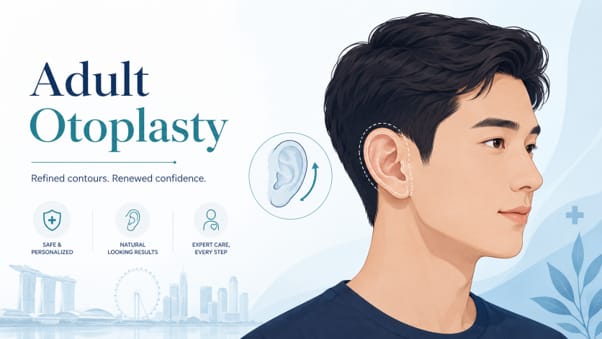
Ear-pinning surgery is often associated with children, but adults may also consider it when prominent, uneven, or unusually shaped ears remain a concern. Some people want one ear to sit more evenly, while others would prefer their ears to look better balanced with their head and face.
Known medically as otoplasty, the procedure changes the visible outer ear. It does not usually involve the deeper structures responsible for hearing, and the decision should be based on personal goals rather than pressure from others.
What Is Adult Otoplasty?
Otoplasty is an operation that changes the shape, position or, in selected cases, size of the outer ear. “Ear pinning” refers more specifically to bringing prominent ears closer to the sides of the head.
Modern treatment often involves reshaping or supporting the cartilage, which is the firm but flexible tissue that gives the ear its structure. The procedure may address a difference present since childhood, an injury or changes left by earlier surgery.
What Can Ear-Pinning Surgery Change?
How Far the Ears Project
The most common aim is to reduce the distance between the outer ear and the side of the head. This can make prominent ears less noticeable from the front, side or back.
The intention is not usually to press the ears completely flat. A natural result keeps a gentle space and angle between the ear and the head.
The Shape of the Ear Cartilage
Some ears project because an inner fold did not form clearly. In other cases, the deeper bowl-shaped part of the ear pushes the ear outwards.
An ear surgeon may create or strengthen a fold with internal stitches, reshape firmer cartilage or adjust the deeper section of the ear. Adult cartilage is generally less flexible than a child’s, so the technique may need to be adapted.
Differences Between the Ears
Otoplasty may reduce noticeable unevenness when one ear sits farther out or has a different contour. Both ears may be adjusted even when only one is the main concern, as this can improve overall balance.
Perfect symmetry is not realistic. Natural ears are rarely identical, and each side may heal slightly differently.
Apparent Size and Proportion
An ear can look large mainly because it projects away from the head. Repositioning it may make it appear less dominant without greatly changing its actual height.
Selected patients may also have an enlarged part of the ear or earlobe reshaped. Size reduction requires different planning from simple ear pinning.
Changes After Injury or Previous Surgery
Otoplasty can sometimes improve an irregular contour caused by trauma, scarring or an earlier operation. Revision procedures may be more complex because scar tissue and previous cartilage changes can limit what is safely achievable.
What Otoplasty Cannot Change?
Standard otoplasty does not improve hearing because it mainly works on the external ear. Someone who also has hearing loss, discharge, dizziness or persistent ear pain may need a separate ENT assessment.
Surgery cannot make both ears perfectly identical, copy another person’s ear shape or guarantee an almost invisible scar. It may help a person feel more comfortable about their appearance, but it cannot resolve wider confidence or body-image concerns by itself.
The appropriate goal is a natural, proportionate improvement that suits the person’s existing features.
Who May Be Suitable for Adult Otoplasty?

Age alone does not determine suitability. The decision depends on general health, skin and cartilage condition, previous scars, healing risks and what the person hopes to change.
Assessment may be considered for:
- Ears that have projected since childhood
- One ear appearing more prominent than the other
- An unusual fold or contour
- Changes after injury or previous surgery
- Persistent discomfort about showing the ears
Smoking, medicines that affect bleeding, uncontrolled health conditions or a tendency to form thick raised scars may influence the timing or approach. The operation should be chosen for personal reasons and with realistic expectations.
What Happens During the Consultation?
The ear surgeon normally examines both ears from the front, sides and back. This assessment may cover projection, folds, size, cartilage firmness, earlobe position, skin quality, scars and the relationship between the ears and head.
Your medical history is also important. Mention allergies, previous operations, bleeding problems, regular medicines and supplements, smoking, past reactions to anaesthesia and any history of thick scars.
It helps to describe the exact feature that concerns you rather than simply asking for “smaller ears”. During a consultation about otoplasty in Singapore, the discussion should cover realistic changes, scar placement, anaesthesia, recovery and possible complications.
Photographs or measurements may be taken for planning. Hearing tests are not normally needed for uncomplicated prominent ears unless there are separate hearing concerns.
Get a personalised assessment of your ear shape and discuss whether otoplasty could address your concerns. Arrange your consultation at https://earnosethroat.com.sg/ear-specialist-singapore-otoplasty-clinic/
How Is Adult Ear-Pinning Surgery Performed?
Otoplasty is commonly carried out as day surgery. Adults may receive local anaesthetic with sedation or general anaesthetic, depending on their health, the extent of surgery and the recommended approach.
An incision is often placed in the crease behind the ear. Through this opening, the surgeon may place internal stitches, reshape cartilage, reposition a deeper section or remove a limited amount of tissue.
The two ears may require different adjustments because their starting shapes are not identical. The skin is then closed and a protective dressing is applied.
Recovery After Adult Otoplasty
A padded dressing is usually worn at first to protect the ears and support their new position. Temporary soreness, tightness, itching, bruising, swelling or numbness can occur during early healing.
The first dressing may later be replaced with a lighter headband, often worn at night to prevent accidental folding. The exact schedule varies, so individual instructions should take priority.
Patients may be advised to:
- Sleep on their back and avoid pressure on the ears
- Keep dressings and wounds clean and dry
- Avoid rubbing, pulling or bending the ears
- Attend follow-up visits
- Wait for clearance before swimming, strenuous exercise, contact sport or wearing a tight helmet
Desk-based work may resume sooner than physically demanding work, although visible dressings and swelling can affect timing. The final contour may continue to settle over several months.
Possible Risks and Warning Signs
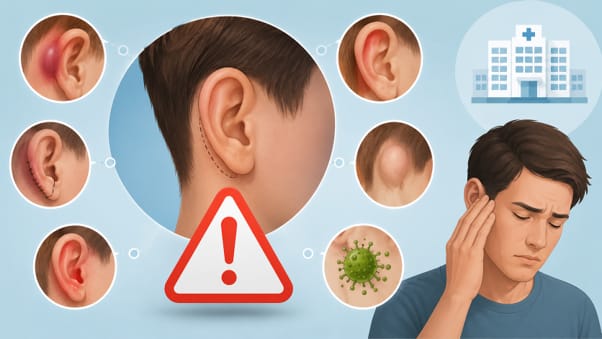
Possible complications include bleeding under the skin, infection, delayed healing, thick scars, numbness, stitch irritation, unevenness, overcorrection, undercorrection or partial return of the prominence. Some patients may later consider revision surgery.
Contact the surgical team promptly if pain is worsening, one ear becomes rapidly more swollen, bleeding continues, the wound opens, or there is fever, spreading redness or pus. An unusually tight dressing should also be checked.
Breathing difficulty, confusion, fainting, severe bleeding, rapidly spreading facial or eye swelling, or sudden hearing loss requires urgent medical attention. These are not expected parts of normal recovery.
What Results Can Adults Realistically Expect?
A change in ear position may be visible when the first dressing is removed, but early swelling can temporarily affect shape and symmetry. It is important not to judge the final result too soon.
Scars are often placed behind the ears and may fade as they mature, although scar appearance varies. The correction is intended to be long-lasting, but healing, injury, cartilage movement or stitch problems can alter the result.
A good outcome usually means improved balance, reduced prominence and a natural contour rather than identical or overly flattened ears.
Conclusion
Adult otoplasty can reposition prominent ears, reshape selected cartilage folds and reduce noticeable differences between the two sides. It does not improve hearing, guarantee perfect symmetry or produce the same result for everyone.
Anyone considering ear-pinning surgery should have an individual assessment of their ear shape, medical history, healing risks and expectations. Understanding the likely benefits, limitations, recovery and possible complications supports a more informed decision.
